

B2B SaaS companies leave 60-70% of their organic acquisition potential on the table. The culprit? Poor link building execution or worse, treating saas link building like it’s just another SEO tactic.
The B2B SaaS buying journey is different. Your prospects research for 3-6 months, involve 5-8 stakeholders, and look for thought leadership before they ever book a demo. This means your link building strategy needs to account for long sales cycles, technical credibility, and positioning within the software ecosystem.
In this guide, you’ll learn the 15 highest-impact link building strategies specifically designed for SaaS companies. From foundational tactics that every startup should implement to advanced programmatic approaches that scale with enterprise SaaS brands.
What is SaaS Link Building and Why It Actually Matters
SaaS link building is the strategic process of acquiring high-quality backlinks from relevant, authoritative websites to improve your search rankings, drive qualified traffic, and establish industry credibility. Unlike generic link building, link building for saas requires understanding software buyer psychology, technical product positioning, and the unique dynamics of subscription-based business models.
Why traditional link building fails for SaaS:
Most link building agencies treat every client the same. Chase high DR sites, ignore relevance, and celebrate vanity metrics. For SaaS companies, this approach wastes budget and delivers zero pipeline impact.
The reality is a backlink from a mid-authority SaaS review site like G2 or a targeted industry publication drives 10x more qualified traffic than a link from a generic high-DR blog that has nothing to do with your market.
The business case for saas link building:
When implemented strategically, link building directly impacts your core SaaS metrics:
- Reduced CAC: Organic search costs $0 per click versus $15-150 for paid SaaS keywords. Companies with strong backlink profiles see 50-70% lower customer acquisition costs.
- Compounding Returns: Unlike paid ads that stop the moment you pause spending, saas backlinks continue driving traffic and authority for years. One high-quality backlink placed today generates value for 2-3 years on average.
- Increased LTV: Prospects who find you through organic search have 30% higher retention rates compared to paid channel leads, likely because they’ve done more research before converting.
- Competitive Moats: In crowded SaaS categories, superior organic visibility creates a defensible advantage. The top 3 organic positions capture 75% of all clicks. Once you’re there, competitors can’t easily displace you.
The most successful SaaS companies allocate 20-30% of their marketing budget to organic acquisition, with link building representing 40-50% of that SEO investment.
For a Series B company spending $500K annually on marketing, that’s $40-75K dedicated to strategic link building.
The Strategic Foundation: Understanding SaaS Link Building Dynamics
Before diving into tactics, you need to understand what makes SaaS link building fundamentally different from other industries.
The B2B SaaS Buyer Journey Challenge:
Your prospects don’t impulse-buy. They’re comparing 5-10 alternatives, reading review sites, checking communities like Reddit and Product Hunt, and consuming dozens of content pieces before ever reaching out. This means your link building strategy must target the entire funnel:
- Top-of-Funnel Links: Industry publications, thought leadership platforms, and broad SaaS content hubs that build brand awareness
- Mid-Funnel Links: Comparison sites, alternative pages, review platforms, and educational resources where active evaluation happens
- Bottom-Funnel Links: Integration partnerships, case study features, and technical documentation that influence final decisions
Relevance vs. Authority (What Actually Moves the Needle):
Google’s algorithm has evolved. A link from a DR 40 SaaS-focused blog with engaged readers beats a DR 70 generic lifestyle site every time.
Topical relevance signals to Google that your content deserves to rank for SaaS-related queries. When authoritative sites in your vertical link to you, it tells search engines: “This company is a credible voice in this space.”
A relevant DR 40-50 backlink provides 70-80% of the ranking impact of an irrelevant DR 80 link, while driving 5-10x more qualified traffic.
Focus on relevance first, authority second.
Link Velocity and Timing for SaaS Growth Stages:
Your link building pace should match your growth stage:
- Seed to Series A (0-100 backlinks): Build foundation with 5-10 high-quality links per month. Focus on essential placements: review sites, a few strategic guest posts, and foundational directory listings.
- Series A to Series B (100-500 backlinks): Scale to 15-25 quality links monthly. Add digital PR, original research, and partner ecosystem links to your mix.
- Series B+ (500+ backlinks): Maintain velocity of 20-40 links per month through programmatic strategies, continued PR, and integration partnerships.
Sudden spikes in backlinks raise red flags. Steady, consistent growth appears natural to Google and builds sustainable authority.
Want to build a link building strategy tailored to your SaaS company’s growth stage? Schedule a discovery call to discuss your specific opportunity.
15 High-Impact SaaS Link Building Strategies That Drive Results
These strategies are ordered by implementation priority. Start with 1-5, then scale into 6-15 as your program matures.
1. Strategic Guest Posting on High-Intent Publications
Guest posting remains one of the highest-ROI saas link building strategies when executed correctly. The key: target publications your buyers actually read.
How it works: Identify 20-30 publications where your ideal customers consume content. Think SaaS-focused blogs, industry verticals (fintech, healthcare tech, etc.), and business publications that cover your space. Pitch original insights, data-driven content, or tactical guides that align with their audience.
Implementation: Start with 2-3 guest posts monthly. Each should be 1,200-1,800 words of genuinely valuable content (not promotional fluff) with 1-2 contextual links back to relevant pages on your site.
Expected results: 10-15 high-quality backlinks per quarter from relevant domains, driving 500-2,000 qualified visits monthly within 6 months.
Pro tip: Focus on publications that rank for saas keywords you’re targeting. If they rank well, a link from them passes more value.
2. Product Review Platform Optimization (G2, Capterra, TrustRadius)
SaaS review platforms aren’t just for social proof, they’re high-authority backlink sources that your prospects actively use during evaluation.
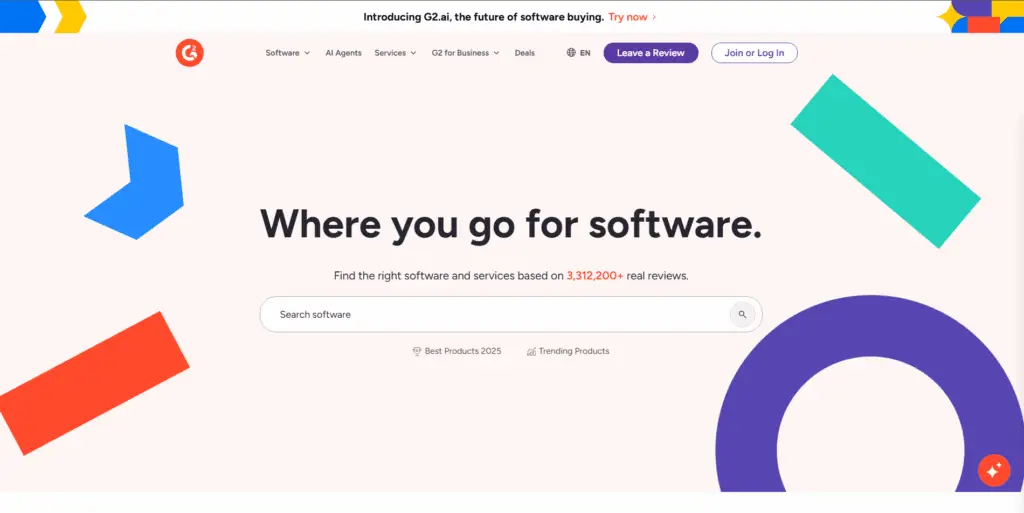
How it works: Claim and optimize your profiles on G2, Capterra, TrustRadius, Software Advice, and Gartner Peer Insights. Most provide dofollow backlinks and rank extremely well for “[your product] alternative” and comparison queries.
Implementation: Complete 100% of profile information, add detailed feature lists, and actively collect reviews. These platforms typically provide 3-5 backlinks per profile (company page, product pages, category pages).
Expected results: 15-25 authoritative backlinks from high-DR review platforms, plus increased conversion as prospects see your reviews during research.
Pro tip: Incentivize customers to leave detailed reviews mentioning specific features. These help the review platform pages rank for more keywords, driving more traffic back through your backlinks.
3. Creating Data-Driven Linkable Assets
Original research and data studies naturally attract links because they provide unique value other content can’t replicate.
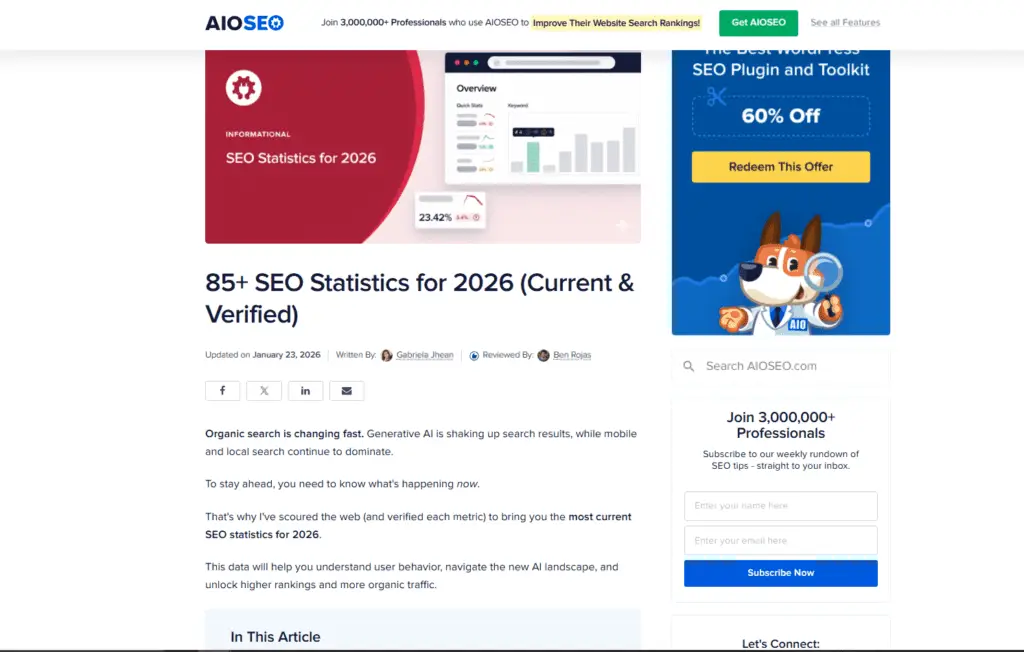
How it works: Conduct original surveys, analyze industry data, or compile proprietary insights from your customer base. Publish as comprehensive reports or interactive tools that serve as reference material for your industry.
Implementation: Commit to 2-4 major data studies per year. Survey your customers, analyze usage patterns, or compile industry benchmarks. Package findings in a visually compelling format with shareable stats.
Expected results: Each strong data asset can attract 30-100 organic backlinks over its lifetime as journalists, bloggers, and other companies cite your research.
Pro tip: Create a dedicated “Research & Reports” section on your site to house all linkable assets in one discoverable location.
4. Broken Link Building in Your Niche
Broken link building identifies dead links on relevant websites and offers your content as a replacement. A win-win that helps webmasters and earns you quality backlinks.
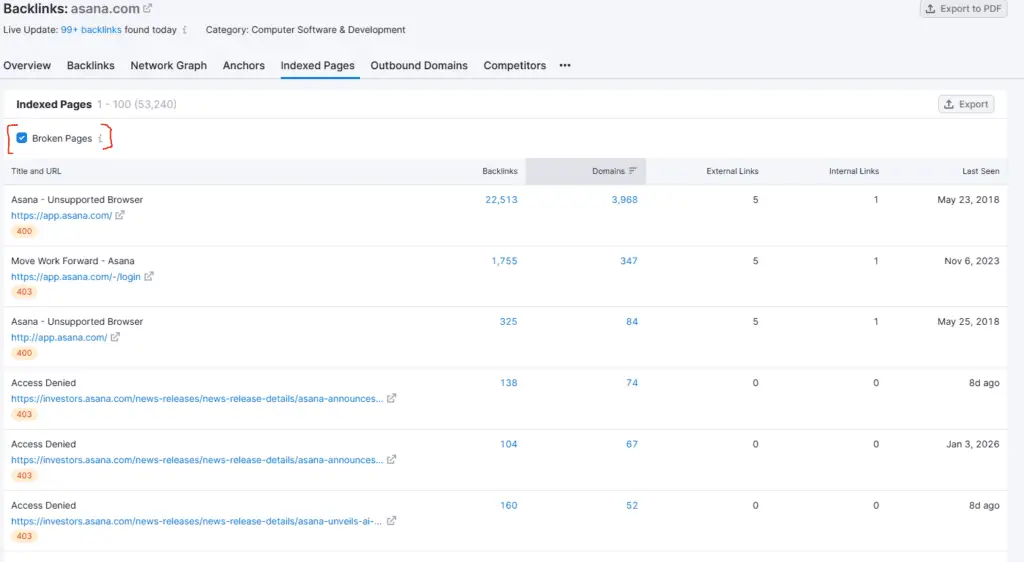
How it works: Use tools like Ahrefs or SEMrush to find broken external links on authoritative sites in your space. Create or identify existing content on your site that makes a suitable replacement, then reach out to suggest the swap.
Implementation: Dedicate 3-4 hours weekly to find 10-15 broken link opportunities. Focus on resource pages, industry roundups, and educational content where broken links are most common.
Expected results: 10-20% conversion rate on outreach. For every 100 broken links found, expect 10-20 new backlinks.
Pro tip: Target broken links on pages that already rank well. These pass more authority and are more valuable to acquire.
5. Unlinked Brand Mention Reclamation
Your brand gets mentioned across the web constantly. Many mentions don’t include a link. These are easy wins to reclaim.
How it works: Use tools like Ahrefs, BuzzSumo, or Google Alerts to find unlinked mentions of your brand name, product names, or key executives. Reach out to authors and politely request they add a link.
Implementation: Set up monitoring for brand mentions and review monthly. Send personalized emails thanking authors for the mention and asking if they’d add a link for readers who want to learn more.
Expected results: 40-60% success rate on link addition requests. Most authors are happy to add the link, they just forgot.
Pro tip: Prioritize mentions on high-authority sites and recent content (easier to edit).
6. Digital PR and Thought Leadership Campaigns
Digital PR positions your executives as industry experts while earning authoritative editorial backlinks from major publications.
How it works: Pitch unique insights, reactive commentary on industry news, or original perspectives to journalists and publications. Respond to journalist requests via platforms like HARO, Terkel, and Featured.
Implementation: Commit 5-10 hours weekly to monitoring journalist requests and crafting thoughtful pitches. Build relationships with 10-15 journalists who cover your space.
Expected results: 5-15 high-authority editorial links per quarter from publications like TechCrunch, VentureBeat, Business Insider, or industry trade publications.
Pro tip: Speed matters. Respond to journalist requests within 2-4 hours for significantly higher placement rates.
7. Original Research and Industry Reports
Similar to linkable assets (#3) but focused specifically on comprehensive annual or bi-annual reports that become industry benchmarks.
How it works: Create an annual “State of [Your Industry]” report with substantial data, insights, and predictions. Make it so comprehensive that it becomes the reference document competitors, analysts, and media cite.
Implementation: Launch one flagship report annually. Survey 200-500+ industry participants, analyze results, and package into a 30-50 page professional report with embeddable charts and stats.
Expected results: 50-200 backlinks per report over its 12-month lifecycle. Media coverage amplifies reach and attracts ongoing citations.
Pro tip: Release during a slow news period (avoid major conference weeks) to maximize media pickup.
8. Free Tool Development for Natural Link Acquisition
Free tools and calculators attract organic links because they provide ongoing utility. They’re link magnets that continue earning backlinks long after launch.
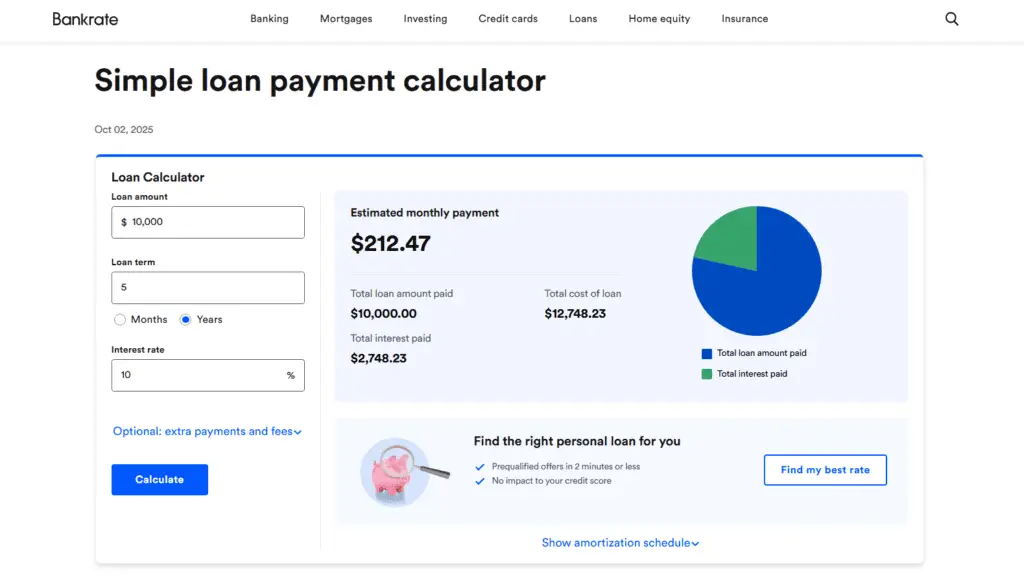
How it works: Build a free tool that solves a genuine pain point for your audience. ROI calculators, assessment tools, templates, or free versions of your core product all work.
Implementation: Invest 40-80 development hours in a genuinely useful tool. Make it freely accessible (no email gate) to maximize sharing and linking.
Expected results: Well-executed tools earn 100-500+ backlinks over time as users share and reference them. They also drive significant organic traffic.
Pro tip: Optimize the tool’s landing page for relevant keywords so it ranks organically and attracts more users who then link to it.
9. SaaS Comparison and Alternative Pages
Creating “best [competitor] alternatives” and comparison pages targets high-intent search traffic while naturally attracting backlinks from review sites and roundups.
How it works: Create comprehensive comparison pages for your top 5-10 competitors. Be fair, objective, and focus on helping buyers make informed decisions rather than just promoting yourself.
Implementation: Write detailed 2,000-3,000 word comparison guides covering features, pricing, use cases, and ideal customer profiles for each competitor alternative.
Expected results: These pages typically rank quickly (lower competition) and attract 20-50 backlinks over time as reviewers and bloggers reference them.
Pro tip: Update quarterly with latest pricing and features to maintain accuracy and rankings.
10. Strategic Resource Page Outreach
Resource pages are curated lists of helpful tools, guides, and websites. Getting listed on relevant resource pages earns quality backlinks from engaged audiences.
How it works: Find resource pages in your niche using search operators like “keyword + resources” or “keyword + useful tools.” Reach out suggesting your best content or tools as additions.
Implementation: Identify 50-100 relevant resource pages. Send personalized outreach highlighting why your resource belongs and how it helps their audience.
Expected results: 5-15% success rate. For 100 outreach attempts, expect 5-15 new backlinks from relevant resource pages.
Pro tip: Target edu and gov resource pages when relevant, these carry additional authority.
11. Programmatic Link Building Through Integrations
Your product likely integrates with other SaaS tools. Each integration partner represents a backlink opportunity on their integrations/partners page.
How it works: As you build product integrations with complementary SaaS tools, request inclusion on their integrations directory or partner page with a backlink to your site.
Implementation: Create a dedicated integrations page listing all partner integrations. Reach out to each partner requesting reciprocal linking and cross-promotion.
Expected results: 1 backlink per active integration. Companies with 50+ integrations can earn 50+ quality backlinks just from this strategy.
Pro tip: Larger partners often have high-DR integration pages. Prioritize strategic partnerships with well-known platforms.
12. Partner and Integration Ecosystem Links
Beyond individual integrations (#11), position yourself within the broader ecosystem through marketplace listings, partner programs, and co-marketing initiatives.
How it works: Join partner programs for major platforms in your space (Salesforce AppExchange, HubSpot Marketplace, Stripe Partners, etc.). Each marketplace provides backlinks and ecosystem visibility.
Implementation: Apply to 5-10 relevant SaaS marketplaces. Complete profiles thoroughly and actively maintain listings.
Expected results: 10-30 authoritative backlinks from major SaaS platform ecosystems.
Pro tip: Marketplace links drive qualified traffic from users actively seeking integrations
13. Community-Driven Link Building (Reddit, Product Hunt, Indie Hackers)
SaaS buyers are active in online communities. Strategic community participation earns backlinks while building brand awareness.
How it works: Actively participate in relevant subreddits (r/SaaS, r/entrepreneur, industry-specific subs), Product Hunt, Indie Hackers, and niche forums. Share genuinely helpful insights and resources (not promotional spam).
Implementation: Dedicate 2-3 hours weekly to thoughtful community participation. Share your best content when relevant, answer questions, and provide value.
Expected results: Community links are often nofollow but drive significant referral traffic and can lead to followed links as community members reference your content in their own blogs.
Pro tip: Build reputation first, promote second. Establish yourself as a helpful expert before sharing your own links.
14. Podcast and Video Content Syndication
Audio and video content is exploding. Podcast appearances and YouTube features earn backlinks from show notes while reaching new audiences.
How it works: Pitch yourself as a guest on SaaS-focused podcasts, YouTube channels, and video series. Share unique insights, case studies, or tactical advice that provides value to hosts’ audiences.
Implementation: Identify 20-30 relevant podcasts and YouTube channels. Send personalized pitches with 3-5 specific topic ideas that align with their content.
Expected results: 15-30 backlinks per year from podcast show notes and video descriptions, plus significant audience exposure.
Pro tip: Repurpose podcast appearances into blog content, creating more linkable assets from the same investment.
15. Strategic 301 Redirects and Link Reclamation
Over time, you’ll accumulate broken pages, outdated content, and restructured URLs. Don’t waste the link equity, redirect strategically.
How it works: Identify pages on your site that have backlinks but are now 404s or redirected incorrectly. Implement proper 301 redirects to relevant replacement pages to preserve link value.
Implementation: Run quarterly backlink audits to find 404 pages with existing backlinks. Redirect to the most relevant current page (ideally covering similar content).
Expected results: Recover 80-90% of link equity from broken pages. For established sites, this can represent 50-200 valuable backlinks.
Pro tip: Use Ahrefs or SEMrush to sort backlinks by page, then filter for 404 responses to quickly identify recovery opportunities.
Common SaaS Link Building Mistakes (And How to Avoid Them)
Even with a solid strategy, these mistakes can sabotage your results.
Mistake #1: Chasing Vanity Metrics (DR Over Relevance)
Many companies celebrate landing a DR 80 backlink from a generic blog that has zero overlap with their audience. That link drives minimal traffic and limited ranking impact because it lacks topical relevance.
The fix: Prioritize relevance first. A DR 45 backlink from a SaaS-focused publication outperforms a DR 80 link from an unrelated lifestyle blog. Ask: “Do my ideal customers read this site?” If no, it’s not valuable.
Mistake #2: Ignoring Link Velocity
Earning 100 backlinks in one month then nothing for three months looks suspicious to Google. Sudden spikes suggest manipulation rather than organic growth.
The fix: Build consistently. If your budget allows 20 links monthly, spread them evenly rather than batching. Use a content calendar to plan guest posts, outreach, and PR releases throughout each quarter.
Mistake #3: Poor Anchor Text Distribution
Over-optimizing anchor text (too many exact-match keywords) is a clear spam signal. On the flip side, only using branded anchors (your company name) wastes opportunities for keyword signals.
The fix: Aim for this distribution:
- 40-50% branded anchors (“CompanyName” or “CompanyName.com”)
- 20-30% topical anchors (“SaaS analytics platform” or “B2B marketing tool”)
- 15-25% generic anchors (“click here” or “learn more”)
- 5-10% exact-match keywords (“saas link building” or “project management software”)
- 5-10% naked URLs (https://yourcompany.com)
Mistake #4: Not Connecting to Business Metrics
Treating link building as purely an SEO exercise disconnected from revenue obscures its true value and makes budget justification difficult.
The fix: Track how organic traffic from link building correlates to demos booked, free trials started, and closed revenue. Most SaaS companies see that organic leads have 20-30% higher conversion rates and 2x better retention than paid leads.
Mistake #5: Scaling Too Early
Jumping to expensive tactics (#7, 8) before mastering foundational strategies (#1, 2, 4, 5) wastes resources and delivers poor ROI.
The fix: Master the basics first. Only move to high-investment strategies (original research, tool development) once you have proven processes for execution and distribution.
Measuring What Matters: Link Building KPIs for SaaS
Track these metrics to gauge your saas link building success and justify continued investment.
Primary Metrics (Track Monthly):
- Referring Domains from Target Accounts What it measures: Total unique domains linking to you, with specific focus on domains your ICP visits. Target: 5-10% month-over-month growth in early stages, 3-5% as you mature.
- Organic Traffic to Money Pages What it measures: Organic visits specifically to product pages, pricing, and high-intent landing pages (not just blog traffic). Target: 15-25% quarter-over-quarter growth driven by improved rankings from new backlinks.
- Rankings for Commercial Intent Keywords What it measures: Position changes for keywords with buying intent (e.g., “[category] software,” “best [solution],” “[competitor] alternative”). Target: 20-30% of target keywords moving up in rankings each quarter.
- Contribution to Pipeline and MRR What it measures: Revenue influenced by organic channel, tied to link building efforts via attribution models. Target: Organic channel should contribute 15-25% of new MRR by Series B stage.
Secondary Metrics (Track Quarterly):
- Domain Authority/Rating: Track your DR/DA score, aiming for 2-5 point increases quarterly in growth stages
- Link Quality Score: Average DR of linking domains (aim for average DR of 40+ for SaaS relevance)
- Topical Authority: Percentage of backlinks from SaaS, tech, or industry-specific domains (target 60%+)
- Link Velocity: Consistent monthly growth in referring domains (avoid large spikes or drops)
Avoid Vanity Metrics:
These look good in reports but don’t indicate real business impact:
- Total backlinks (quantity over quality)
- Domain Authority alone (without considering relevance)
- Referring pages (one domain can send hundreds of low-value links)
- Raw traffic (without conversion tracking)
The gold standard: Can you show that investment in link building directly correlates to reduced CAC and increased organic-attributed revenue? If yes, you’re measuring the right things.
Ready to Build a Strategic SaaS Link Building Program?
SaaS link building isn’t about gaming Google. It’s about building genuine authority in your industry while creating sustainable acquisition channels that compound over time.
The companies that win understand this. Every quality backlink you earn today continues driving traffic, authority, and revenue for 2-3 years. While your competitors burn cash on paid ads that stop working the moment they pause spend, you’re building a moat of organic visibility that becomes more defensible as it grows.
Start with the foundational strategies (1-5), prove ROI to stakeholders, then scale into the higher-investment tactics that deliver compounding returns. Most important: stay consistent.
The SaaS companies with the strongest organic growth didn’t get there with one big campaign. They got there by executing month after month, quarter after quarter.
I work with SaaS companies and build strategic link building programs that reduce CAC and scale organic acquisition.
Want to discuss how this applies to your specific situation? Schedule a Discovery Call!
Frequently Asked Questions
How to do saas link building?
Start with these five steps:
- Audit your current backlink profile using Ahrefs or SEMrush to understand your baseline and identify gaps
- Optimize existing assets by claiming review platform profiles, reclaiming unlinked mentions, and fixing broken redirects
- Create linkable content like comprehensive guides, original research, or free tools that naturally attract backlinks
- Build relationships with relevant publications, podcast hosts, and industry influencers who can link to your content
- Execute consistently with 5-10 new backlinks monthly from diverse, relevant sources
The most successful SaaS companies dedicate either 15-20 hours weekly in-house or $3,000-8,000 monthly to specialized link building agencies. Start small, prove ROI, then scale investment.
What is saas link building?
SaaS link building is the process of strategically earning backlinks from relevant websites to improve search rankings, drive qualified traffic, and reduce customer acquisition costs. Unlike traditional link building, the SaaS approach focuses on:
- Relevance over pure authority (links from SaaS-focused sites matter more than generic high-DR sites)
- Long-term relationship building (partnerships, integrations, consistent PR)
- Full-funnel impact (awareness, consideration, and decision-stage placements)
- Business outcome alignment (CAC reduction, pipeline contribution, not just rankings)
Effective SaaS link building combines tactical execution (guest posts, broken link building, digital PR) with strategic positioning (thought leadership, original research, ecosystem participation) to build compounding organic growth.
What’s the best link-building strategy for saas?
There’s no single “best” strategy. The right approach depends on your growth stage, resources, and competitive landscape. However, these three consistently deliver the highest ROI:
- Strategic guest posting (#1) on relevant SaaS and industry publications provides steady, scalable growth with relatively low cost per link ($200-500 per placement).
- Product review platform optimization (#2) delivers high-authority backlinks from sites your prospects actively use during evaluation. One-time setup with ongoing review collection.
- Original research and data studies (#7) create linkable assets that attract 50-200 organic backlinks over time, providing compounding returns from a single investment.
For most early-stage SaaS companies (Seed to Series A), start with guest posting + review platforms, then add one major linkable asset per year. This combination provides steady growth (guest posts), authority signals (review platforms), and occasional big wins (research citations).
