

Most B2B SaaS companies burn through marketing budget on paid ads that stop working the moment you stop paying. Meanwhile, 73% of SaaS companies with mature inbound strategies report 3x higher ROI than those relying solely on outbound tactics.
The math is simple. Your potential customers are already searching for solutions to their problems. The question is whether they find your competitors or you.
If you’re facing long sales cycles, high customer acquisition costs, or struggling to demonstrate value before prospects reach the trial stage, inbound marketing for SaaS offers a more sustainable path.
This guide covers everything from strategy to execution, with specific metrics you can track to prove ROI.
What Is B2B Inbound Marketing for SaaS Companies?
B2B Inbound marketing for SaaS is a customer-centric approach that attracts prospects through valuable content and experiences rather than interrupting them with traditional advertising.
Instead of cold calls or intrusive ads, you create content that solves problems and builds trust when prospects are actively searching for solutions.
This strategy involves understanding your target audience’s pain points, desires, and behaviors. By crafting tailored content such as blog posts, ebooks, webinars, and videos, you can guide potential customers
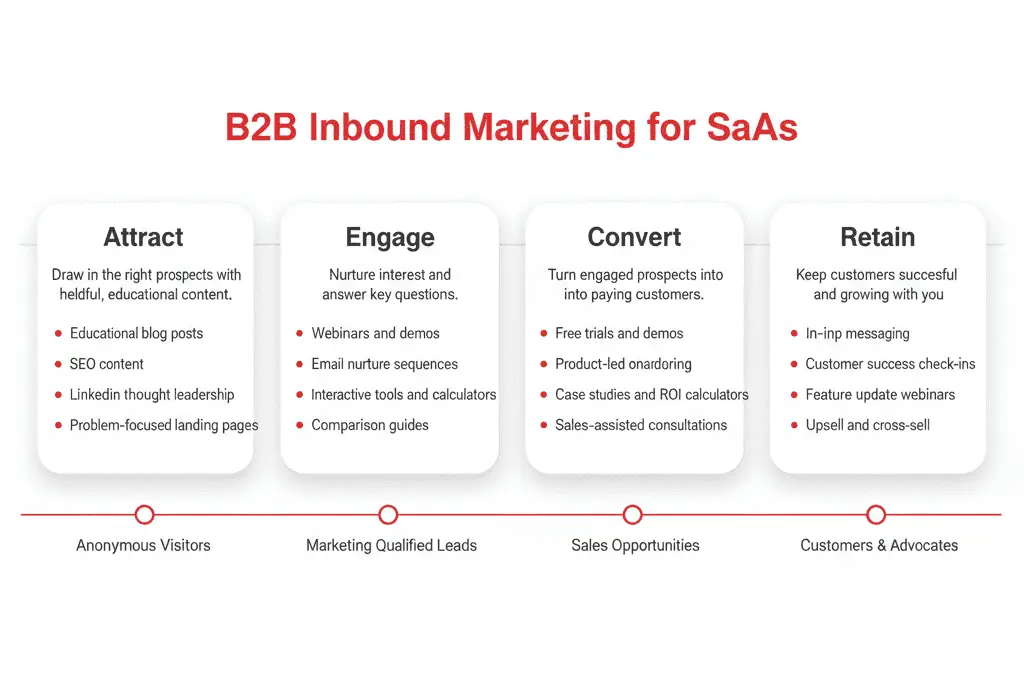
For B2B SaaS companies, this approach aligns naturally with how modern buyers make purchasing decisions. Research shows that B2B buyers complete 57% of their purchase decision before ever contacting a sales representative.
They’re reading blog posts, comparing features, downloading guides, and evaluating options on their own timeline.
The core principles remain consistent across industries. Attract the right audience with helpful content, engage them with targeted resources, and convert them into customers through education rather than pressure. What makes inbound marketing different for SaaS is the subscription business model and the complexity of the solutions being sold.
Work with a B2B SEO Consultant and scale your growth!
The B2B SaaS Inbound Marketing Funnel
Understanding the B2B inbound funnel helps you create content and campaigns that move prospects from initial awareness to closed deals. Unlike simple product sales, B2B SaaS requires a more nuanced approach that respects the lengthy evaluation process.
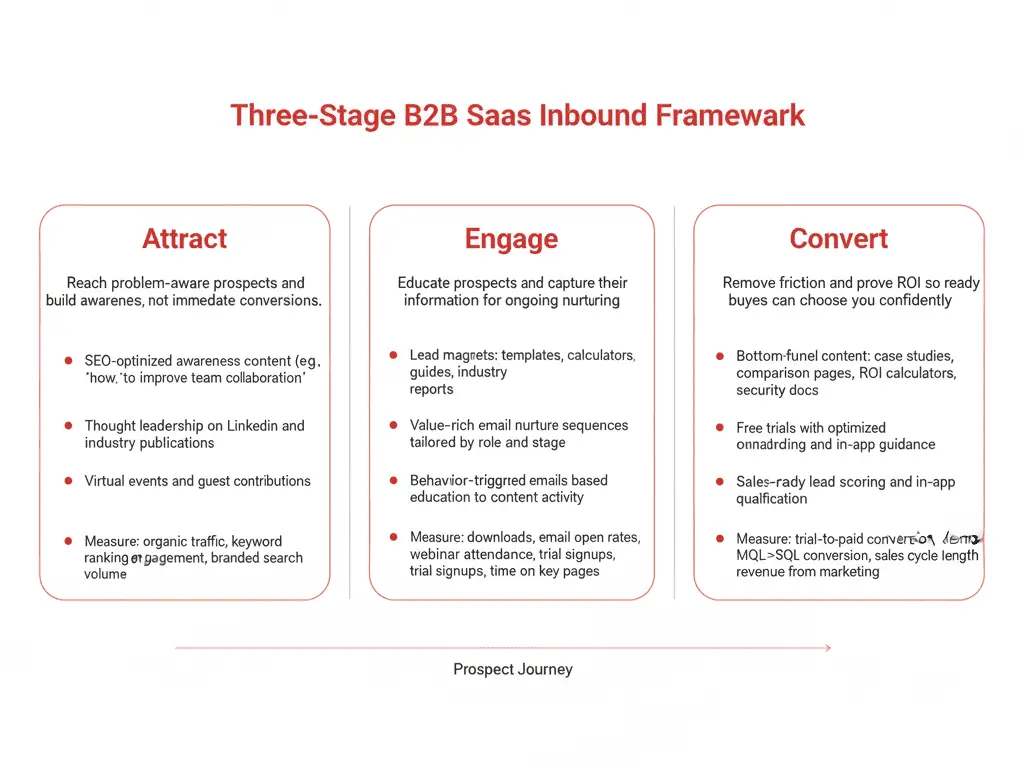
The Three-Stage Framework
Attract Stage
The attract stage focuses on reaching prospects who have problems your software solves but may not know your company exists.
At this stage, you’re competing for attention in search results, social feeds, and industry conversations. The goal isn’t immediate conversion but establishing your brand as a knowledgeable resource.
B2B SaaS SEO-optimized content targeting awareness-level keywords forms the foundation. If you sell project management software, you’re creating content around “how to improve team collaboration” or “project management best practices” rather than jumping straight to “best project management software.” These broader topics capture prospects early in their journey when they’re defining their problems.
Thought leadership positioning matters here. Contributing insights to industry publications, speaking at virtual events, and sharing expertise on LinkedIn establishes authority. When prospects eventually enter active evaluation mode, they remember the companies that helped them earlier.
Key metrics for this stage include organic traffic growth, keyword rankings for target terms, social media engagement rates, and branded search volume. You’re building awareness, so measure awareness indicators.
Engage Stage
The engage stage begins when prospects recognize they have a problem worth solving and start actively researching solutions. They’re downloading resources, attending webinars, and comparing different approaches. Your job is to educate them while capturing their information for continued engagement.
Lead magnets play a central role here. Offering templates, calculators, comprehensive guides, or industry reports in exchange for an email address lets you continue the conversation. The key is providing genuine value. A “complete guide to marketing automation” should actually be complete, not a thinly veiled sales pitch.
Email nurture sequences take prospects through educational journeys tailored to their stage and role. Someone who downloaded an “Introduction to RevOps” guide receives different content than someone who requested a pricing comparison. Behavior-triggered emails based on website activity and content consumption create personalized experiences at scale.
Webinars and product demos bridge the gap between education and evaluation. Hosting monthly webinars on topics relevant to your ICP attracts qualified prospects while positioning your product as the natural solution. Product demos let prospects see your software in action without committing to a sales call.
Track email open rates, content download numbers, webinar attendance, trial signup rates, and time spent on key pages. Engagement metrics tell you which content resonates and which prospects show serious buying intent.
Convert Stage
Covert stage happens when prospects are ready to make a decision. They’ve narrowed options to 2-3 vendors and need the final information to choose. Your content must address objections, demonstrate clear value, and make the decision easy.
Bottom-funnel content includes detailed case studies with quantifiable results, feature comparison pages that highlight your advantages, ROI calculators that prove business value, and security/compliance documentation that satisfies technical buyers. Every piece of content should remove friction from the buying decision.
Free trials with optimized onboarding sequences let prospects experience value firsthand. The best SaaS companies use in-app guidance, email support, and success milestone celebrations to ensure trial users reach their “aha moment” quickly. Most SaaS trials fail because users don’t reach activation, not because the product lacks value.
Sales-ready lead qualification ensures you’re passing legitimate opportunities to your team. Implementing lead scoring based on demographic fit and behavioral engagement means sales talks to prospects actually ready to buy. This improves close rates and reduces sales cycle length.
Conversion metrics include trial-to-paid conversion rate, demo request volume, MQL to SQL conversion percentage, sales cycle length, and revenue attributed to marketing channels. At this stage, measure outcomes that directly impact revenue.
8 Essential Inbound Marketing Strategies for B2B SaaS Companies
Strategy #1: SEO-Driven Content Marketing
Search engine optimization remains the highest-ROI channel for B2B SaaS inbound marketing. Ranking for the right keywords puts your content in front of prospects actively searching for solutions. The key is targeting keywords that match buyer intent rather than chasing high-volume vanity metrics.
Start with keyword research focused on commercial and transactional intent. Someone searching “what is marketing automation” is early in their journey.
Someone searching “marketing automation for B2B SaaS” or “HubSpot alternatives” is much closer to buying. Prioritize keywords that indicate serious evaluation.
Content clusters build topical authority. Instead of isolated blog posts, create comprehensive hubs around core topics. A cluster on “customer onboarding” might include a pillar page covering the complete process, then supporting articles on specific aspects like onboarding email sequences, in-app guidance, success metrics, and automation workflows. Internal linking between cluster pages signals relevance to search engines and keeps users engaged with your content.
Technical SEO deserves special attention for SaaS sites. JavaScript rendering issues can prevent search engines from crawling your site properly.
Follow this comprehensive SaaS SEO checklist to audit your technical foundation
Topic authority takes time but pays dividends. Consistently publishing high-quality content on your core topics signals expertise to both search engines and readers.
A SaaS company selling CRM software should own search results for topics around sales process optimization, lead management, and pipeline reporting. Become the definitive resource in your niche.
Strategy #2: Product-Led Content Creation
Product-led content bridges the gap between educational material and product marketing. Rather than generic advice, you’re showing prospects exactly how your product solves their specific problems.
This approach works especially well for B2B SaaS because prospects need to understand not just what features you offer but how those features deliver business value.
Use-case focused blog posts demonstrate your product in action. “How to Automate Sales Follow-Up in [Your Product]” teaches prospects while showcasing functionality. “Building a Lead Scoring Model with [Your Product]” provides a practical tutorial that only users of your software can implement. Each piece serves dual purposes: educating prospects and demonstrating product value.
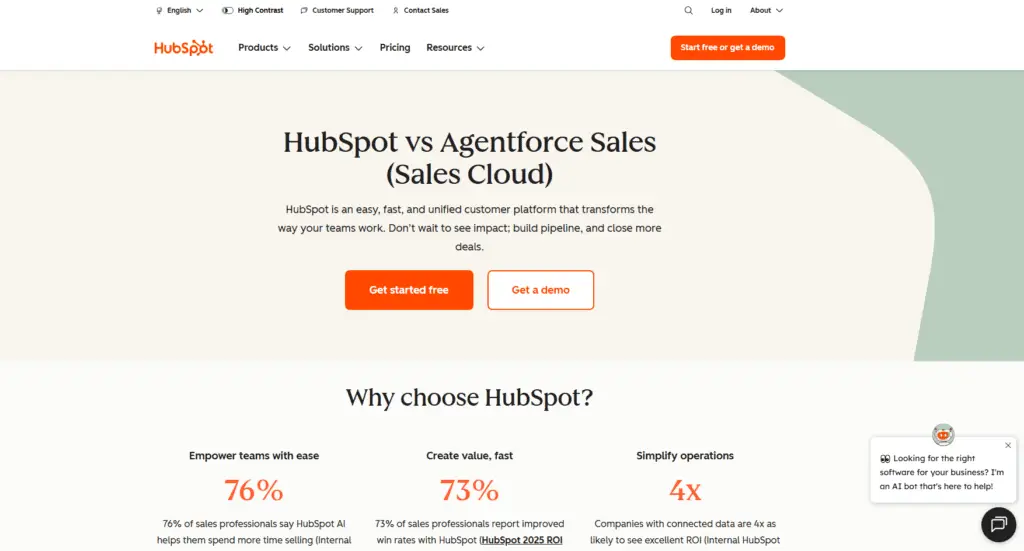
Feature comparison content addresses the elephant in the room. Prospects are comparing you to competitors whether you acknowledge it or not.
Creating honest, detailed comparisons that highlight your strengths while fairly representing alternatives builds trust. If you lose deals to Competitor X because of a specific feature they offer, write a comparison page explaining the different philosophical approaches and why your solution better serves certain use cases.
Integration guides prove you’ll fit in their tech stack. One of the biggest objections in B2B SaaS is implementation complexity. Publishing step-by-step guides for integrating with popular tools your ICP uses demonstrates you’ve solved this problem. Someone searching “how to integrate [your product] with Salesforce” is a high-intent prospect evaluating your solution.
Problem-solution content format works well for bottom-funnel SEO. “How to Reduce Customer Churn in SaaS” attracts prospects with that specific problem. Within the article, you explain the root causes, strategic approaches, and specific tactics including how your product addresses each factor. The content provides value even if someone never becomes a customer, but naturally positions your solution for those ready to buy.
Strategy #3: Strategic Lead Magnets
Lead magnets exchange valuable content for contact information, enabling ongoing engagement with prospects. The effectiveness of your lead magnets directly impacts the volume and quality of leads entering your funnel. Creating magnets that solve specific problems for your ICP generates better results than generic ebooks or checklists.
Gated content should deliver immediate value. A “Complete Guide to Revenue Operations” that requires a name and email needs to actually be comprehensive. Half-hearted efforts damage your brand and reduce conversion rates. Invest in creating truly useful resources that prospects would happily pay for.
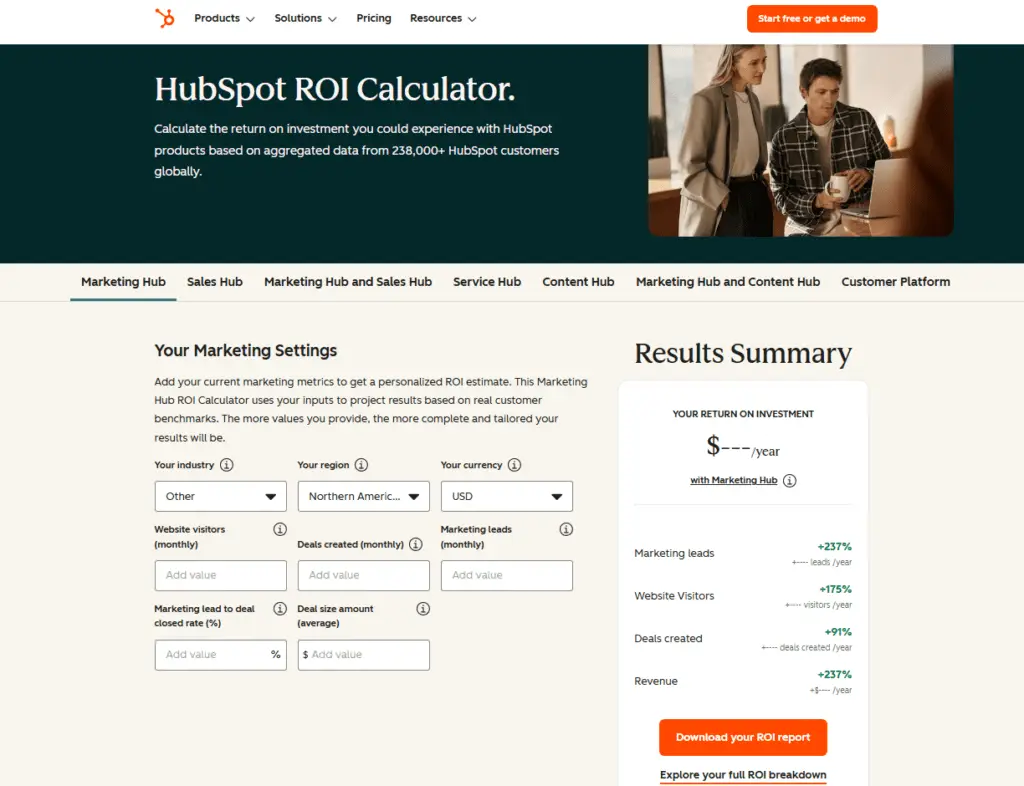
Interactive tools and calculators provide unique value. A “Marketing ROI Calculator” customized to your ICP’s metrics lets prospects input their numbers and see projected results. A “Team Productivity Assessment” asks questions about current processes and provides personalized recommendations. These tools engage prospects actively while demonstrating your expertise.
Templates and frameworks save prospects time. Marketing teams love campaign planning templates. Sales teams download email sequence frameworks. Operations teams need process documentation templates. Create templates specific to challenges your product solves, and you’ll attract precisely the prospects most likely to convert.
Industry reports and original data establish thought leadership. Surveying your customer base or analyzing industry trends produces unique insights others can’t replicate. Publishing an annual “State of [Your Industry]” report with data-driven findings attracts media attention, backlinks, and qualified prospects interested in staying ahead of trends.
Strategy #4: Email Marketing & Lead Nurturing
Email remains the highest-converting channel for B2B SaaS lead nurturing. The challenge is sending relevant messages at the right time rather than blasting every contact with the same sequence. Sophisticated segmentation and behavior-based triggering separate effective email programs from spam.
Segment by persona and funnel stage before writing a single email. A CFO evaluating your expense management software cares about cost savings and compliance. A department manager wants usability and team adoption. Sending identical messages to both reduces effectiveness. Create segment-specific content addressing each stakeholder’s concerns.
Drip campaigns for trial users drive activation and conversion. Someone who signs up for a trial but never logs in needs different messaging than someone actively using features. Trigger emails based on product usage: congratulate users when they complete key actions, offer help when they get stuck, and provide tips to unlock additional value. The goal is reaching the “aha moment” where value becomes obvious.
Behavior-triggered sequences respond to prospect actions. Someone who downloads a pricing guide receives emails about ROI, payment options, and customer results. Someone who visits your integrations page gets content about tech stack compatibility and implementation support. Matching email content to demonstrated interests dramatically improves engagement.
Re-engagement campaigns win back stalled prospects. Not every lead converts immediately. Someone who engaged heavily six months ago then went silent might now face the problem your product solves. Periodic check-ins with new content, product updates, or special offers can reignite conversations with qualified prospects you’ve already spent money to attract.
Personalization tactics improve performance. Using first names is table stakes. Referencing specific actions, content consumed, or company characteristics makes messages feel individually crafted. Dynamic content blocks that change based on segment variables let you send hyper-relevant emails without creating hundreds of versions.
Strategy #5: Social Media Marketing (LinkedIn Focus)
Social media for B2B SaaS means LinkedIn. While other platforms have audiences, LinkedIn is where decision-makers spend time professionally. The goal isn’t going viral but building relationships, demonstrating expertise, and staying top-of-mind with prospects throughout long buying cycles.
Thought leadership content performs best. Sharing insights from working with customers, analysis of industry trends, or lessons learned builds your reputation as an expert. Posts teaching something useful get more engagement than product promotions. Lead with value, and product mentions feel natural rather than sales-y.
Engagement in industry conversations matters more than broadcasting. Commenting thoughtfully on posts from prospects, customers, and industry leaders puts you in front of their networks. Answering questions in LinkedIn groups where your ICP gathers positions you as helpful rather than promotional. Building relationships takes time but converts better than cold outreach.
Employee advocacy programs multiply your reach. When founders, sales team members, and customer success staff share content, it reaches their networks too. Employees’ personal brands often carry more weight than corporate accounts. Providing them with easy-to-share content and encouraging authentic engagement extends your inbound reach significantly.
LinkedIn-specific tactics for B2B include optimizing your company page for search, using LinkedIn Articles for long-form thought leadership, leveraging LinkedIn Polls to engage your audience and generate discussion, and strategically connecting with prospects before they enter active evaluation. The platform’s professional context makes relationship-building acceptable in ways that would seem pushy elsewhere.
Strategy #6: Webinars & Virtual Events
Webinars combine education and lead generation effectively for B2B SaaS. Prospects invest time attending live sessions, signaling genuine interest. The educational format lets you demonstrate expertise while subtly positioning your product as the solution.
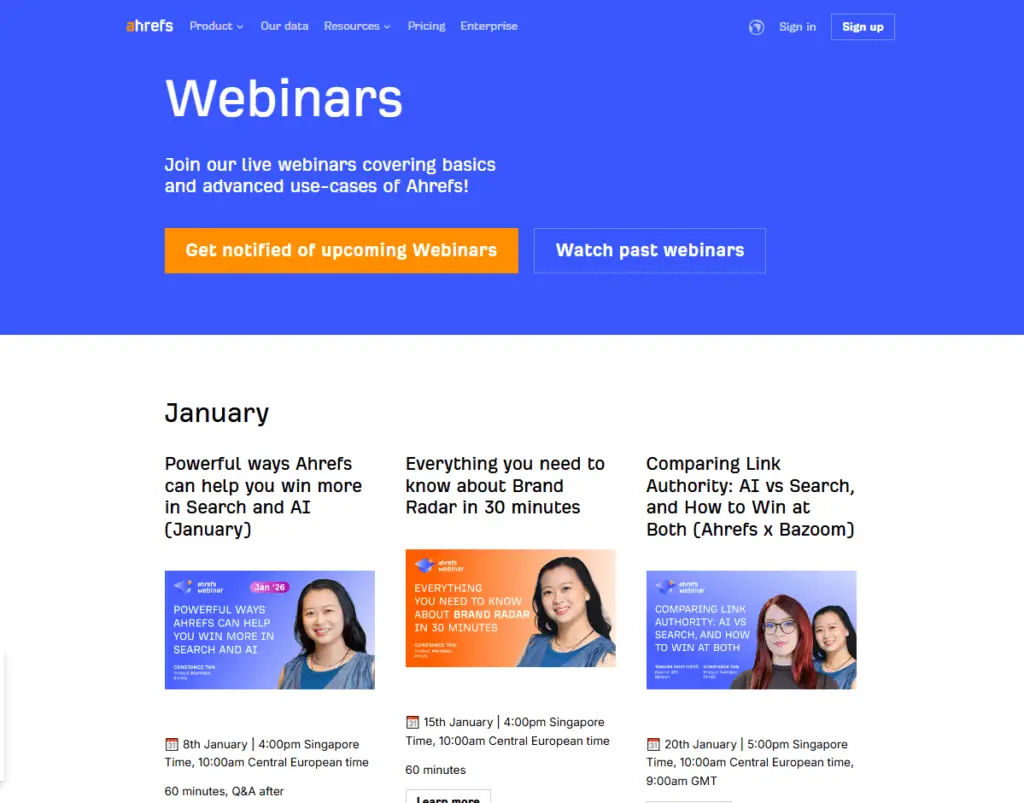
The educational versus promotional balance determines success. A webinar titled “Introduction to [Your Product]” attracts only hand-raisers already interested. A webinar titled “5 Strategies to Reduce Customer Churn” attracts anyone facing that challenge. Spending 80% of the time teaching strategies and 20% showing how your product implements them converts better than a disguised sales pitch.
Topic selection framework starts with your ICP’s biggest challenges. What keeps them up at night? What problems do they repeatedly face? What industry changes are they navigating? Choose topics where you have genuine expertise and your product provides meaningful advantage. The webinar should deliver value even if attendees never buy from you.
Promotion strategy matters as much as content. Promote through your email list, LinkedIn, content partnerships with complementary companies, and paid promotion targeting your ICP. Start promoting 2-3 weeks before the event. Send reminder emails as the date approaches. The best content fails if nobody attends.
Follow-up strategy converts attendees to customers. Send recordings to everyone who registered, whether they attended or not. Segment follow-up based on engagement: active participants get different outreach than those who registered but didn’t show. Offer 1-on-1 consultations to discuss their specific situations. Track webinar attendees as high-intent leads deserving extra attention.
Strategy #7: Case Studies & Social Proof
Case studies prove your product delivers results for companies like your prospects. Generic testimonials lack credibility. Detailed case studies with specific metrics, challenges, and outcomes demonstrate real value and help prospects envision similar success.
The quantifiable results format works best. “Company X increased revenue by 40% using our software” provides concrete proof. Include the starting situation, specific metrics before implementation, the approach taken, and measurable outcomes. Numbers make results tangible. Prospects can extrapolate how similar improvements would impact their business.
Industry-specific examples overcome skepticism. SaaS products often serve multiple verticals, but generic case studies resonate weakly. A fintech company evaluating your solution wants to see results from other fintech companies facing similar regulatory constraints and technical requirements. Create case studies representing each major segment of your ICP.
Video testimonials add authenticity. Anyone can fabricate written testimonials. Seeing a real customer describe their experience on camera carries more weight. Keep videos short (2-3 minutes), focus on results rather than features, and let customers tell their story in their own words. Authenticity matters more than production value.
Integration with the sales process multiplies impact. Sales teams should share relevant case studies at key moments: when prospects express specific concerns, during competitive evaluations, or before final decision-making. Making case studies easily accessible and searchable helps sales use them effectively. The most persuasive advocate isn’t your sales rep, it’s a similar customer achieving results.
Strategy #8: Marketing Automation & Analytics
Marketing automation transforms inbound marketing from labor-intensive to scalable. Once configured properly, automated systems nurture leads, score engagement, trigger relevant content delivery, and identify sales-ready prospects without manual intervention.
Lead scoring models prioritize sales attention. Not all leads deserve immediate sales outreach. Scoring prospects based on demographic fit (company size, industry, role) and behavioral engagement (content consumed, pages visited, email clicks) identifies those most likely to convert. Sales teams focusing on high-scoring leads see better close rates and shorter cycles.
Multi-touch attribution reveals which channels and content actually drive revenue. First-touch attribution credits the channel that generated the lead. Last-touch attribution credits what directly preceded conversion. Multi-touch models recognize that prospects typically interact with 7-12 pieces of content before buying. Understanding which touchpoints influence decisions helps optimize budget allocation.
Conversion path optimization identifies friction points. Analyzing how prospects move from initial visit to customer reveals where they drop off. Do trial signups happen but users never activate? Are prospects engaging with content but not requesting demos? Each conversion barrier suggests specific optimizations for better onboarding, clearer CTAs, or additional nurture content.
Key tools vary by budget and maturity. HubSpot provides all-in-one marketing automation, CRM, and analytics suitable for growing SaaS companies. Marketo offers enterprise-grade capabilities for complex organizations. ActiveCampaign delivers strong automation at mid-market price points. Choose based on your team size, technical resources, and growth trajectory.
Metrics dashboard setup brings clarity to performance. Define KPIs for each funnel stage, set up tracking properly, and create dashboards that surface insights rather than overwhelming with data. Review metrics weekly to spot trends early. Monthly deep dives assess overall performance and inform strategy adjustments.
Conclusion
B2B Inbound marketing for SaaS companies transforms customer acquisition from expensive, repetitive outbound efforts into sustainable organic growth engines. By creating valuable content that attracts, educates, and converts prospects throughout lengthy B2B buying journeys, you build compounding assets that drive revenue for years.
Timeline expectations matter. Allow 3-6 months for initial momentum as content ranks, email lists grow, and automation optimizes. Most B2B SaaS companies see meaningful results within six months and achieve 3x ROI within 12-18 months of consistent execution. The companies that succeed commit to the long game rather than expecting instant results.
Start with foundation-building rather than trying everything simultaneously. Conduct an SEO audit identifying quick wins and technical problems. Develop a content strategy mapping topics to keywords and buyer journey stages. Set up basic marketing automation and lead scoring. Master these fundamentals before expanding to advanced tactics.
Ready to build an inbound marketing engine that sustainably drives qualified leads and reduces customer acquisition costs? The best time to start was six months ago. The second-best time is now. Book a call HERE
